
The Desire for a Confident, Harmonious Smile
A straight, well-proportioned smile is far more than an aesthetic asset. Properly aligned teeth facilitate efficient chewing dynamics, promote clearer speech phonetics, and dramatically lower the risk of periodontal inflammation and tooth decay by eliminating unreachable food-trapping crevices.
For decades, conventional metal braces were the sole clinical solution for malocclusion. However, advancements in computer-aided design (CAD) and medical-grade thermoformed polymers have introduced clear aligners as a discreet, comfortable alternative. Choosing between traditional brackets and transparent aligners requires a thorough understanding of their clinical strengths and lifestyle suitability.
Understanding the Treatment Modalities
1. Traditional Fixed Braces (Metal & Ceramic)
Fixed orthodontic braces consist of medical-grade stainless steel or translucent polycrystalline ceramic brackets bonded to each tooth surface, connected by flexible archwires (such as nickel-titanium and beta-titanium) and secured with elastomeric ties.
- Continuous 24/7 Force Delivery: Fixed appliances remain in place constantly, eliminating patient compliance concerns.
- Unmatched Control in Complex Cases: Highly effective for severe skeletal crossbites, severe rotations, unerupted impacted canines, and significant vertical bite discrepancies.
- Ceramic Aesthetic Option: Tooth-colored ceramic brackets blend naturally with tooth enamel, offering a more discreet appearance than shiny metal.
2. Clear Aligners (Transparent Removable Trays)
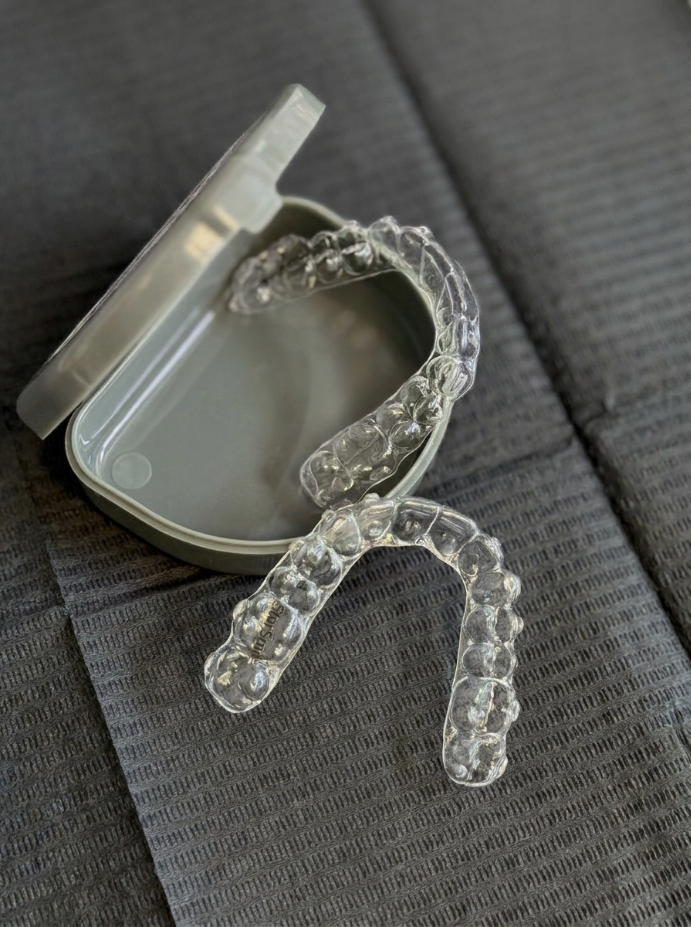
Clear aligners are a series of custom-engineered, transparent polyurethane plastic trays that fit snugly over the dental arches. Each sequential tray applies micro-calibrated pressure to shift specific teeth fractions of a millimeter at a time.
- Virtually Invisible: High optical clarity allows adults and teenagers to undergo orthodontic correction without visible metal brackets.
- Removable for Meals and Oral Hygiene: You remove aligners while eating, eliminating food restrictions and allowing unimpeded flossing and brushing.
- Smooth Comfort: Free from protruding metal hooks and wire edges, drastically reducing oral ulcers and cheek irritation.
- 3D Digital Treatment Simulation: Before manufacturing begins, intraoral 3D scanning maps out each tooth movement from start to finish.
Direct Comparison: Braces vs Clear Aligners
Aesthetics and Daily Confidence
While ceramic braces offer substantial cosmetic improvement over metal, clear aligners represent the ultimate discreet solution. Most colleagues, clients, and friends will not notice you are wearing aligners unless you inform them.
Lifestyle and Dietary Freedom
Patients wearing fixed braces must strictly avoid hard nuts, crusty bread, popcorn, and sticky sweets to prevent broken brackets and bent archwires. In contrast, aligner wearers simply take out their aligners before meals, allowing them to enjoy their favorite diet without hesitation.
Oral Hygiene and Gum Health
Brushing and flossing around fixed braces requires specialized orthodontic brushes, threaders, or water flossers, and plaque accumulation around brackets can lead to white-spot enamel decalcification. Clear aligners eliminate this obstacle completely—teeth are brushed and flossed normally, preserving optimal gingival health throughout treatment.
Compliance and Responsibility
Clear aligners demand disciplined wear: they must remain in the mouth for 20 to 22 hours every single day, removed only for eating, drinking hot liquids, and brushing. If a patient frequently forgets to reinsert their aligners, treatment progress stalls. For patients who struggle with self-discipline, fixed braces provide the advantage of automatic 24-hour treatment.
Who Is the Ideal Candidate for Each Option?
An orthodontic specialist evaluates facial profile, skeletal jaw relationship, root length, and periodontal status before recommending an approach:
- Ideal for Clear Aligners: Mild to moderate crowding, midline diastemas (gaps), relapse after childhood braces, and adult professionals desiring zero aesthetic disruption.
- Ideal for Fixed Braces: Severe skeletal jaw discrepancies, severe root torque requirements, severely rotated molars, and patients preferring a 'hands-off' compliance routine.
Conclusion: Consultation is the Crucial First Step
Neither system is universally superior; each is an engineered tool that delivers outstanding clinical results when matched with the correct dental condition. Schedule a comprehensive digital orthodontic consultation with a registered orthodontist to examine your bite and map out your optimal smile journey.
Medical Disclaimer & Clinical Review
All health content is medically reviewed by certified dental specialists at KGH Dental. Always consult a certified dentist for clinical diagnosis and customized treatment plans.